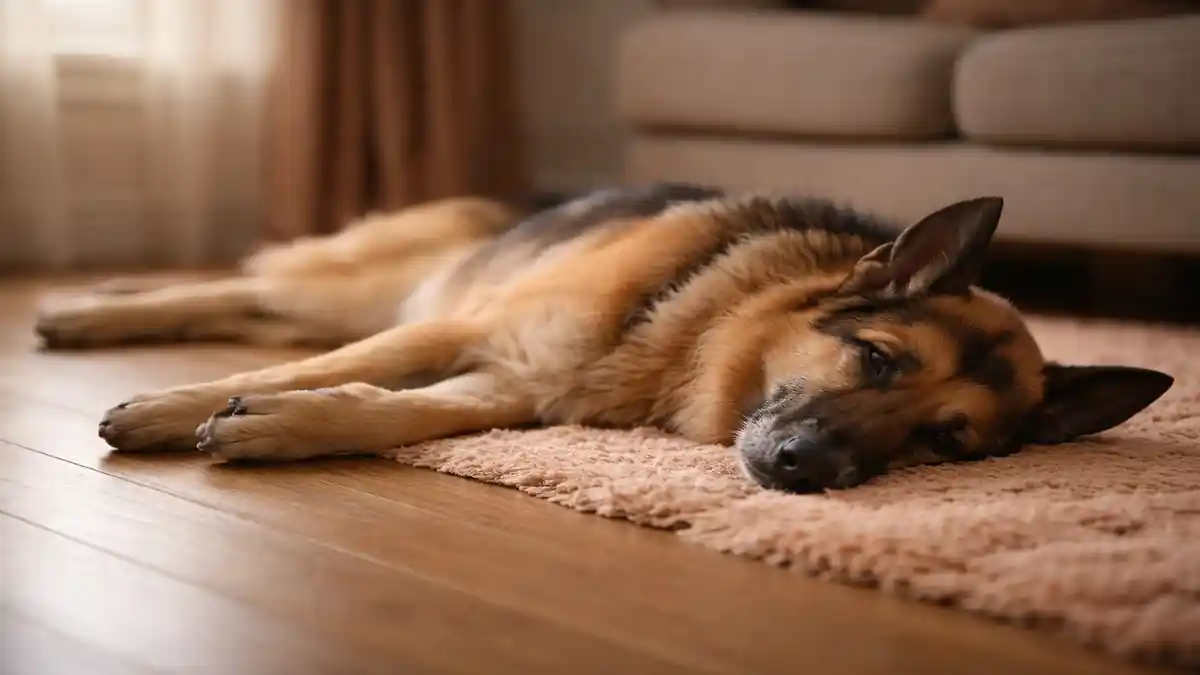
People don’t expect ever to have to look up “what to do when a pet dies”. But life quietly puts you here without any preparation or emotional practice. Even though nothing changed about the house today, it still sounds strange.
Their bowl is still there, stuck in time and unable to move forward. I have helped many friends through this exact moment many times before. People ask the same weak question in the same shaky voice.
What should I do right now, right after this happened? So this guide goes with you gently and in a practical way, step by step. There is no cold language or rushed instructions anywhere on this page.
Step 1: Pause Before Handling Anything Important
You don’t have to make decisions quickly during the first hour tonight. Shock makes people feel like they need to do something right away, even when there is no real need to. Sit next to them quietly and talk to them like you always do.
Your brain comprehends goodbye better through actions than through thoughts alone. Veterinary grief counsellors say that owners emotionally benefit from having a planned goodbye time. It stops complicated patterns of grief that come back later when you don’t expect them to.
You might cry or feel strangely calm for a short time. Today, both of these reactions are totally normal for people.
Step 2: Confirm Passing Carefully And Gently
Sometimes, pets look like they’re deeply asleep, which can be confusing right after that. There are several clear physical signs that you can safely use to confirm passing.
First, wait a few minutes and watch for breathing movement within the room. Use your fingertips to check for a heartbeat behind the front leg gently. For confirmation, briefly shine a small light in the eyes.
If nothing changes and the body cools down slowly, death happens naturally. Call your vet right away if you’re still not sure what to do. Emergency clinics are always there to help families, even at night, with kindness.
Here is where you can find emergency help nearby: American Veterinary Medical Association emergency care guide.
Step 3: What To Do When a Pet Dies Immediately After
The next step is to keep things safe for a short time before making final plans.
It gives your family some time today to think without any stress.
Preparing the body at home properly
Put a thick towel under the body gently at first. If your eyelids are still partially open, close them gently. Carefully wrap your pet in a cotton sheet or their favourite blanket.
Quickly move them to a cool room that doesn’t get direct sunlight. Refrigeration helps a lot if you have to wait more than four hours. Veterinarians say to put the body in the fridge because it slows down natural changes in the body.
At this point, many pet owners are looking for advice on what to do when a pet dies because they feel overwhelming. Do not freeze the body as it damages tissues permanently. Damage could stop cremation services from working properly in the future.
Step 4: What To Do with The Body Next?
You now choose cremation or burial based on comfort and circumstances. Both options remain common across the United States today.
| Option | What Happens | Typical Cost USA | Emotional Experience |
| Private cremation | Ashes returned in an urn | $140–$500 | Strong closure feeling |
| Communal cremation | Ashes not returned | $60–$200 | Simple and practical |
| Home burial | Personal property burial | Free–$45 | Very personal goodbye |
To read the legal safety guidelines, go to: EPA safe disposal animal guidelines.
Step 5: Understanding Cremation Choices Clearly
In the past few years, cremation has become the most popular choice among Americans. People move a lot and want to be able to keep their remains in a way that is respectful. Many families searching what to do when a pet dies choose cremation because it feels practical and comforting.
What is private cremation?
Your pet is professionally cremated alone in the chamber. Usually, you get the ashes in an urn within a week.
Facilities carefully keep track of identification throughout the whole process using metal tags. Afterward, many owners also get fur clippings or paw prints.
What is communal cremation?
Pets are cremated together with respect, and their individual ashes are not returned.
This choice is good for owners who want to keep their pets’ memories without having to worry about them later.
Step 6: Home Burial Rules Inside the United States
Many families choose to bury their loved ones in their backyards so they can be close to them forever. Most of the time, local laws let people bury their dead as long as they follow safety rules.
For safety reasons, these are some of the most important general rules.
- It is best to bury them three to five feet deep.
- Distance from water sources was kept the same all the time
- Be careful not to touch the underground wiring and plumbing ahead of time.
- Always use wrapping materials that break down naturally.
Before you do anything, always check with animal control to make sure you know the rules in your city. Five minutes saves you from all legal problems in the future. People who live in apartments often choose cremation because burial isn’t practical in real life.
A lot of pet owners who are looking into what to do when a pet dies choose burial because it feels both personal and comforting. At this point, you may be thinking about what to do when a pet dies and whether a home burial feels right for you.
Step 7: Veterinary Clinic or Pet Cemetery Services
If you’re feeling emotionally overwhelmed today, the veterinary office can help. They professionally arrange transportation for families to crematories or cemeteries.
Pet cemeteries are like human memorial grounds in that they have formal gravesites. Some families feel better after visiting real places.
Emotional Reactions Nobody Warns You About
Many pet owners are shocked by how strong their grief is after losing a pet. Pets are a part of daily life, not just planned interactions.
You expect automatic sounds of footsteps, feeding times, and greetings at the door. Your brain keeps thinking about presence long after it has become real.
It is more about neurological habit memory than emotional weakness. During this time, many people keep searching for what to do when a pet dies because their emotions feel confusing.
Gentle, repeated actions over time can help you deal with stress.
- Walk the same routes every week and remember the routines you share.
- Make a memory box for your collar and favorite toy
- Give food to local shelters in memory of their lives in a meaningful way.
There are national support resources here: Association for Pet Loss and Bereavement
Helping Children Understand the Loss Honestly
Kids should get honest answers without having to deal with confusing reactions or metaphors later.
Don’t say that your pet went down to rest because fear can easily grow. Instead, say that their body stopped working and the pain went away permanently.
Expect your child to ask the same questions over and over because they are slowly working through their grief.
Helping Other Pets Adjust After the Loss
Animals notice when something is missing right away and sometimes react strongly. You might notice that your pet is whining, pacing, searching, or eating less for a short time.
If it’s safe, let the surviving pets smell the body for a short time. Owners thinking about what to do when a pet dies often forget that other pets also need attention and kindness.
It helps people understand things better than sudden, unexplained disappearances. Most pets naturally get better emotionally within one to two weeks.
Should You Adopt Another Pet Soon Afterwards?
There isn’t a single timeline that works for everyone emotionally here. Quickly adopting does not replace the love you have already felt deeply.
Waiting longer doesn’t really show loyalty either. Adopt when kindness feels like a good thing instead of an emotional distraction.
FAQs
What’s the best thing to do after a pet die
Sit still, wrap the body, and keep it cool. Then, think carefully about whether to bury or cremate it.
What do you do with a pet’s body when it dies?
Depending on your living situation, you can choose cremation, veterinary care management, or a legal backyard burial.
What is the proper way to dispose of a deceased pet?
Instead of throwing away your pet, take it to a veterinarian, a licensed crematory, or a legal burial option.
Final Thoughts
When friends leave for good, homes change emotionally. Routine echoes last longer than most people think they do.
You aren’t moving on from the love you share every day. You are gently moving it into new days. Writing about what to do when a pet dies can never remove the pain of this loss, but it can give a clear direction.
We regularly share helpful tips, so feel free to explore more pet care articles on this website https://healthinnovate.org/.
If you want, you can leave your pet’s name in the comments below. Remembering together helps sorrow fade away over time.