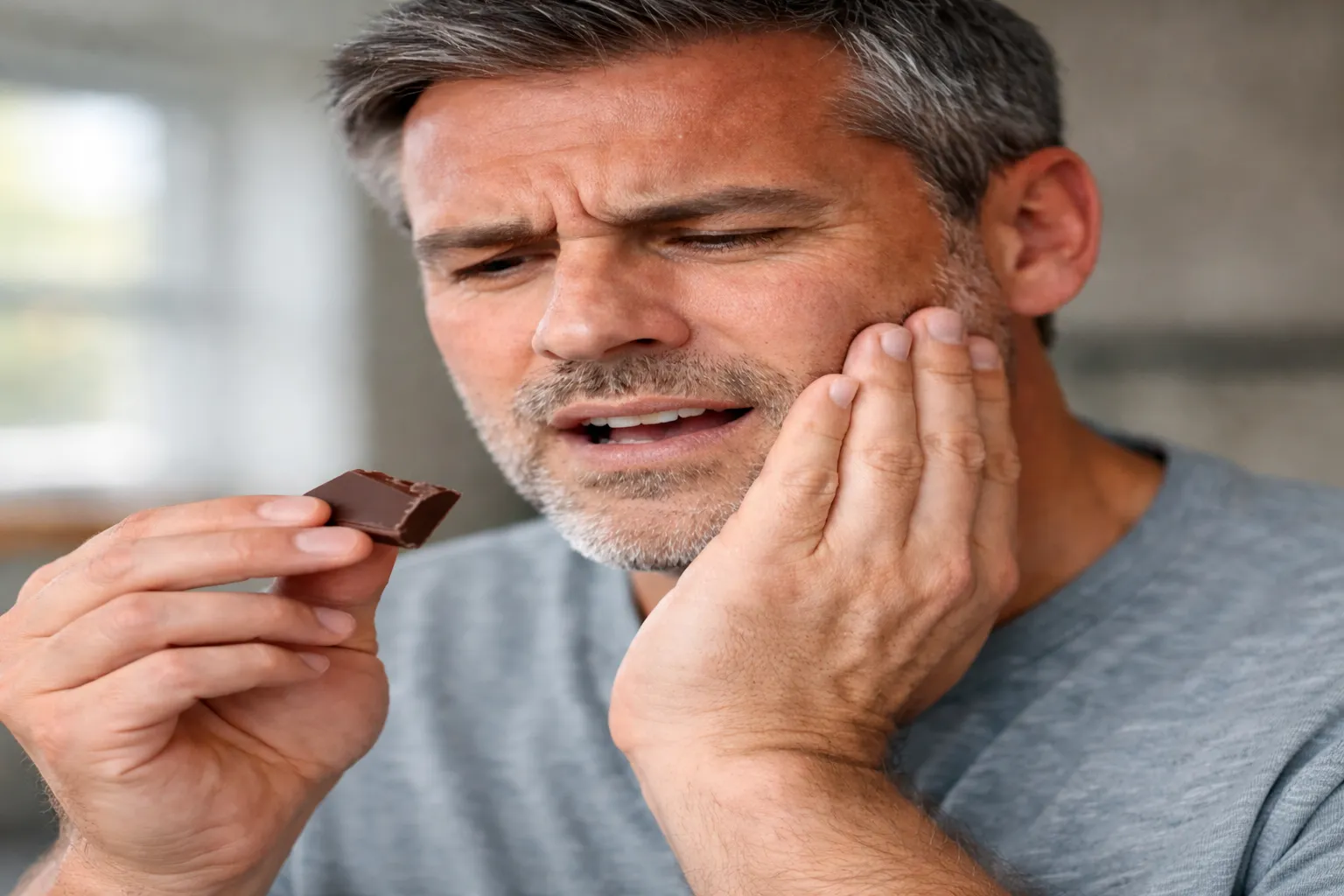
Why do sugary foods hurt my teeth? Learn the real reasons sugar causes tooth pain, even without cavities, and how to protect our teeth.
Why Do Sugary Foods Hurt My Teeth?
Sugary foods hurt our teeth because sugar feeds bacteria in our mouth. These bacteria produce acid which weakens tooth enamel. When enamel becomes thin, sugar and acid can reach sensitive parts of the tooth and cause pain, even if you do not have cavities.
This article explains the real reasons behind sugar-related tooth pain in a clear, simple, and easy way.
Introduction: When Sweet Food Starts to Hurt
You are sitting comfortably at home. You may be watching TV or scrolling on your phone. You take a bite of something sweet—a cookie, chocolate, or candy. You expect it to taste good.
Instead, you feel a sharp pain in your tooth.
Many people experience this and immediately feel confused. You brush your teeth. You visit the dentist. You are told there are no cavities, yet sweet foods still hurt.
This situation is more common than most people think. Tooth pain from sugar does not always mean something is seriously wrong, but it does mean your teeth are reacting to changes in your mouth. The reasons behind this pain are often ignored or misunderstood.
To understand it properly, we need to look at five important truths about how sugar affects teeth.
🦷 Truth #1: Sugar Does Not Damage Teeth Alone—Bacteria Do
Sugar by itself does not directly hurt your teeth. The real damage starts when sugar mixes with bacteria in your mouth.
Our mouth naturally contains bacteria and these bacteria feed on the sugar when we eat sugary foods. They release acid as a waste product upon digestion.
This acid:
• Attacks tooth enamel
• Lowers the pH level in our mouth
• Weakens the tooth surface
There is a hard protective layer outside the teeth with protects it. This protective layer is enamel. Our teeth become sensitive when this shield starts weakening. This insensitivity is considered first step towards this pain.
When we eat sugary foods, acid stays there for almost 25 to 35 minutes and do not disappear immediately. Our teeth are more vulnerable during this time.
This is why frequent sweet snacking is more harmful than eating sweet food occasionally.
🦷 Truth #2: Enamel Can Wear Down Without Visible Cavities
Many people believe that tooth pain is linked with the cavity, but this is not always true.
Tooth enamel can slowly wear down over time due to:
• Acid from sugar
• Acidic foods and drinks
• Brushing too hard
• Teeth Grinding
There is another layer dentin beneath the enamel which becomes exposed when enamel weakens.
Dentin has small tubes that let sensations, like pain, reach the nerves in our tooth. When sugar or acid touches these areas, it sends pain signals to the brain.
This is why:
• Cold drinks may hurt
• Hot drinks may hurt
• Sweet foods may hurt
• Pain can appear suddenly
There is another important point that we should keep in mind that acid temporarily softens the enamel layer for some minutes. Some people brush immediately after eating sugar, but it further weakens the enamel instead of protecting it.
Dentists usually recommend waiting half to one hour before brushing after eating sugary foods.
🦷 Truth #3: Sugar Can Cause Tooth Pain Even Without Cavities
This is one of the most terrifying experiences for many people.
You may:
• Visit a dentist
• Get X-rays
• Be told your tooth look healthy
Yet sugary foods still cause pain.
The reason for this condition is often teeth sensitivity not the tooth decay.
Common Reasons Sugar Hurts Without Cavities
| Causes | What is happening | Pain type |
|---|---|---|
| Exposed Dentin | Gums pull back | Sharp or sudden |
| Thin enamel | Enamel worn down | Ongoing sensitivity |
| Tiny enamel sensitivity | Small fractures | Quick pain |
| Nerve sensitivity | Nerves react strongly | Varies |
| Dry mouth | Less saliva protection | Burning or aching |
Saliva plays a protective role by washing away acid and helping enamel recover. We can feel more sugar related pain If we have dry mouth due to stress, medication, or dehydration.
Many online communities discuss this exact problem, which shows that this is really common.
🦷 Truth #4: Small Daily Habits Can Increase Sugar Sensitivity
Sugar sensitivity does not always develop slowly. Sometimes it appears suddenly, even if nothing obvious has changed.
Common triggers include:
• Switching to whitening toothpaste
• Brushing too hard
• Using a toothbrush with hard fibres
• Teeth grinding in stressful situations
• Recent dental procedure
• Cold weather
Stress is a major factor. Many people grind or clench their teeth at night and do not realize it. It damages enamel gradually and increases sensitivity.
Personal habits often play a bigger role than people expect. Sometimes your teeth are less protected than before and sugar is not a new problem in this condition.
🦷 Truth #5: We Can Still Eat Sugar with the Right Protection
The good news is that sugar does not need to be completely removed from our life.
The goal is not to eliminate sugar but to reduce its impact on your teeth.
Helpful Habits
• Eat sweets with meals instead of eating sweets alone
• Drink water after sugary foods
• Chew sugar free gum to increase saliva
• Use fluoride toothpaste
• Brush gently and slowly with a soft toothbrush
Habits to Avoid
• Sipping sweet drinks all day
• Eating sweet snacks more frequently
• Brushing immediately after sugar
• Not brushing teeth before going to bed
Small changes in timing and routine can greatly reduce tooth pain.
Products That Help Protect Teeth from Sugar Damage
Many dentists recommend products that strengthen enamel and reduce sensitivity.
Commonly used options in the USA include:
• Sensodyne Pronamel – it supports the protection of the enamel
• Colgate Total – it helps in fighting bacteria in the mouth
• ACT Fluoride Rinse – it adds fluoride protection
• Electric toothbrushes –they clean effectively with less pressure
These products support oral health, but they are not instant cures. Consistency matters more than any brand choice.
Is Sugar the Only Cause of Tooth Pain?
No. Sugar is a major factor, but it is not the only one.
Other foods and drinks that may cause pain include:
• Citrus fruits
• Vinegar-based foods
• Coffee
• Wine
Sugar stands out because it both feeds bacteria and increases acid production. This combination makes it especially harmful to enamel.
When Tooth Pain Should Not Be Ignored
Occasional sensitivity can be normal, but some signs should not be ignored.
We should see a dentist if:
• Pain lasts more than a few days
• Pain becomes stronger
• One tooth hurt more than others
• Sensitivity does not improve even with care
Persistent pain often means there is an underlying issue that needs professional attention and treatment.
Evidence-Based Reminder
This article follows evidence-based dental guidance and general oral health research. But always keep in mind that the situation varies with every person’s oral health.
If tooth pain or sensitivity continues, worsens, or feels unusual, always consult a licensed dentist for proper diagnosis and treatment. This article is for informational purposes only and does not replace professional dental care.
Conclusion: You can reduce the pain if you understand sugar
When you eat sugary foods, you can damage the protection of the enamel, which leads to pain. You feel the tooth pain suddenly because the enamel damage process occurs slowly and gradually.
You can choose what’s best for your oral health without any confusion if you understand these rules. You can still enjoy sweet foods and protect your teeth. Just follow good habits, stay consistent, and keep a balance in your life. Go to the dentist when needed.
Final Thought
If you feel tooth pain after eating sugary food, that’s because your body is sending a warning message. You can prevent any inconvenience if you listen to these warning signs at an early stage.
You will feel improvement in your oral health, like the other parts of the body, when you take care of it properly.