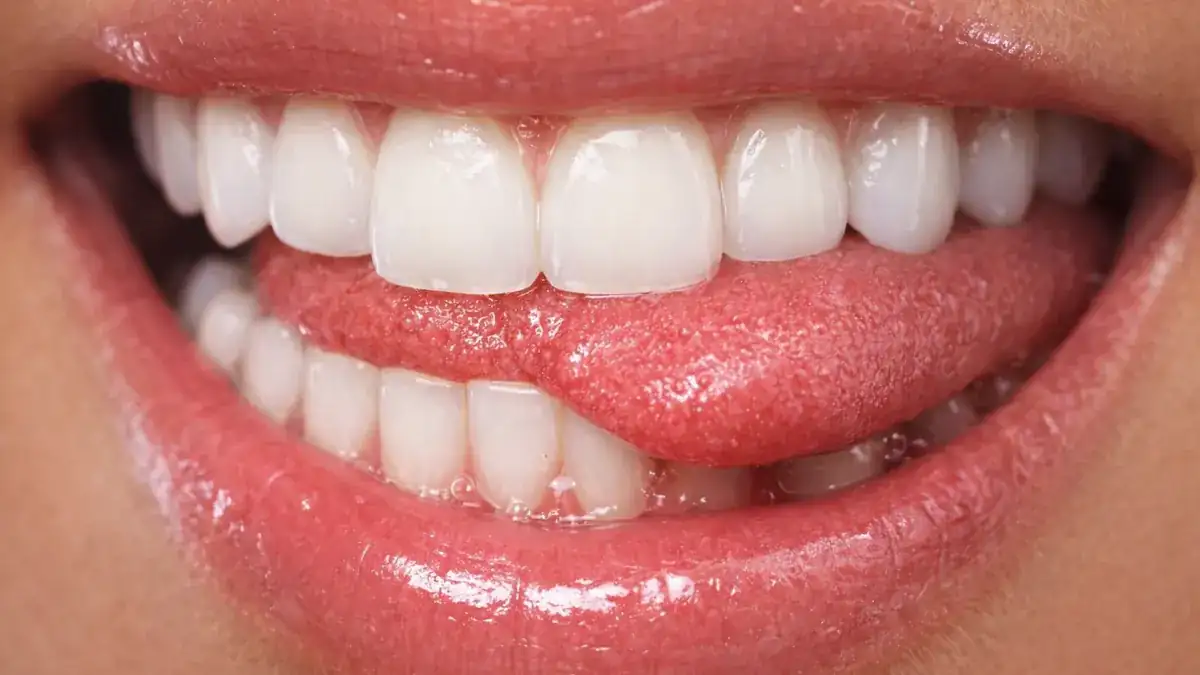
Almost all experience this at least once in a lifetime, waking up with a painful, strange feeling in the mouth. It can be swollen, bruised or sore. We ask ourselves, why do I bite my tongue when I sleep? Relax yourself you are not the only one experiencing it in your life. It is a problem that happens more often than we think, but it is not easy to understand. The positive fact is that we don’t have to deal with it. In this article, we will discuss the five most common reasons people bite their tongues while they sleep and how to solve every problem, respectively.
Sleep Bruxism: The silent Culprit
When you wake up from sleep with a sore tongue, there are high chance that the main cause is sleep bruxism. People clench or grind their teeth in sleep unknowingly. You do it without realizing because it mostly happens in the deep sleep cycle. As a result of this clenching your teeth can touch each other, and you can accidentally bite your tongue.
The most common reason of this process are stress and anxiety. Your muscles and jaws tighten up when you are in a state of nervousness. It leads to clenching the jaws and grinding the teeth involuntary at night. The pressure on the teeth also affects the tongue position in the mouth, which makes it easier for you to bite it.
What You Can Do About It:
- Wear a mouthguard: The easiest and most effective solution is to use a mouth guard or night guard on the teeth at night. It works like a shield that protects the jaws and stops them from coming into contact with each other. There are many types of these night guards available in the market; you can get one according to your budget and choice. You can also ask your dentist about accurate, custom-made dentures according to your tooth size for a more comfortable fit.
- Manage stress: It is important to reduce stress in your life because it is one of the major causes of many health issues. You should try relaxing things, for example, yoga, deep breathing and meditation before going to bed if you are facing stress. It will relax your muscles and help reduce anxiety.
- Regular Dental Checkup: You should visit your dentist on a regular basis if you want to avoid any oral issues. He can notice the early signs of damaged enamel, bruxism and jaw pain. Read my article about enamel protection What Are White Spots on Teeth? Warning causes and Fixes. It is easier to prevent the issue rather than treat it. Your dentist will recommend suitable treatment, for example, using braces or other orthodontic procedures to help treat this issue.
Sleep Apnea: A Potential Cause
Clenching or grinding teeth is not the only cause of biting the tongue. Another important reason is disturbed sleep. Some people suffer from breathing issues for short intervals of time during sleep, which is called sleep apnea. Sometimes your airways are partially or completely blocked, and it becomes hard to take the breath normally. Your body tries to make involuntary movements to fix this issue. These include clenching the teeth and biting the tongue.
It is not easy to figure out if someone has sleep apnea—the reason is that it happens in the deep sleep cycle when you are totally unaware of it. You will not notice the short intervals of disturbed sleep and breathing issues, but there is an important sign that you will wake up extremely tired the next morning. There are some other important reasons for sleep apnea, which include loud snoring, gasping and choking episodes during sleep. Source: https://www.mayoclinic.org/diseases-conditions/sleep-apnea
What You Can Do About It:
- Get an Evaluation for sleep apnea: You should see a doctor if you suspect you are facing the problem of sleep apnea. They usually recommend a sleep study in which your sleep pattern and breathing are monitored overnight. It will help to figure out the severity of the situation.
- Use a CPAP Machine: Another common treatment is a CPAP machine, which is continuous positive airway pressure. It works on the principle of giving a steady flow of air during sleep. This activity reduces the chance of those involuntary movements by keeping the airways open.
- Lifestyle Changes: If the condition of your sleep apnea is not severe, then you can easily fix it with some positive lifestyle changes. Avoiding alcohol before bed, losing weight, and sleeping on any side instead of sleeping on the back reduce the chances of airway obstruction.
Tongue Thrusting: The Overactive Tongue
Tongue thrusting is another cause of biting tongue during sleep. Several people have this strange habit of tongue thrusting, in which the tongue presses on the teeth, which usually happens during sleep. It is the habit of mostly those people who sleep with their mouths open. Your tongue can accidentally bite itself in this situation, especially when you change your body position during sleep.
You can observe these habits mostly in children, but if they are kept untreated, they can continue into adulthood. It usually occurs due to misalignment of the jaw and teeth, which means they do not line up properly. In this situation, it is hard for the tongue to remain in its natural position when you sleep.
What You Can Do About It:
- Orthodontic Treatment: Braces and retainers can help fix this issue if it is due to misaligned teeth. They prevent the extra tongue pressure and adjust the teeth to the right position. Your dentist can also recommend other specific appliances and orthodontic procedures according to your situation.
- Speech Therapy: It is advised to consulta professional speech therapist for a better and more effective solution. He can help you stop thrusting your tongue by showing you how to keep it in a neutral posture during sleep. It could include different exercises to strengthen the tongue muscles and retain the way you swallow.
Stress and Anxiety: The nighttime tension
It is a fact that life can be hard for anyone anywhere. It is important to understand that stress does not go away the moment you go to bed. If you are always under stress, your body responds by showing different types of signs. It can be biting the tongue or clenching the jaw when you sleep. The reality is that stress and anxiety are common causes of bruxism and other jaw issues that happen at night.
Your muscles become tight when you are in condition of constant stress. This muscle tension usually appears in your jaws, which can cause many issues, one of them is involuntary clenching or grinding of the teeth. This increased muscle activity push you tongue into different positions, increasing the chances of biting it.
What You Can Do About It:
- Relaxation and mindfulness: Try different relaxing technique for example, deep breathing, progressive muscle relaxation or even yoga, before sleep. It helps relax all of your body, including the jaw, and reduces overall tension.
- Aromatherapy: Practice using essential oils like lavender for relaxation purposes. You can use it by putting it in a diffuser or applying it directly to your shoulders and neck. It is famous for help in better sleep and relaxing the body.
- Journaling: Writing is an amazing and effective way of catharsis. You can write down your thoughts in a journal if you are feeling stress before going to bed. It will clear your mind and reduce the chances of clenching your jaw.
Teeth Misalignment: The Hidden Cause
Your teeth can make your tongue uncomfortable, which can make you accidentally bite it. Your tongue may not stay in its natural resting position if you have an underbite, overbite or any dental misalignments. As a result of it, it can move in areas where it can end up biting itself. Misaligned teeth not only look bad but also interfere with the natural tongue positioning, which makes it harder for you to relax during sleep.
What You Can Do About It:
- Visit Your Dentist: Consult your dentist if your teeth are not lined up properly. They will recommend suitable treatment, for example, braces or other orthodontic procedures, by examining your bite.
- Custom Dental Appliances: The best way to prevent these bites is wearing custom made night guard if you are not ready for braces. These night guards will keep your tongue safe by reducing the chances of bite during sleep.
Is Tongue Biting Dangerous?
You think it’s just a sore throat and not a big deal. Indeed, it is not serious in most cases, but repeatedly biting can cause some serious complications, for example:
- Cuts and Infections: Biting your tongue again and again can cause minor cuts, which leads to infection.
- Long-Term Damage: Chronic tongue biting can cause permanent tissue damage or scarring.
- Disrupted Sleep: If you wake up in pain, it is hard to sleep again, which makes you tired and cranky the next day.
That’s why it is important to figure out the exact cause and take the necessary actions to fix this issue.
Conclusion: How to Stop Biting Your Tongue While Sleeping
The possible causes of biting your tongue during sleep are bruxism, anxiety and stress, sleep apnea, tongue pushing and misaligned teeth. No matter what the cause is, you do not have to live with this painful condition. There are easy ways to break the habit and enjoy good quality sleep.
The key is identifying the root cause, taking the necessary actions to prevent and treat it, including wearing night guards, dealing with stress and regular visits to the dentist. Do not let the pain become a regular part of your morning routine and take every necessary measure to protect your tongue, teeth and sleep quality.
Call to Action:
Have you ever bitten your tongue while sleeping? What did you do to make things better? Share your experience in the comments box. Let’s all work together to make sure has a good quality sleep without any pain.