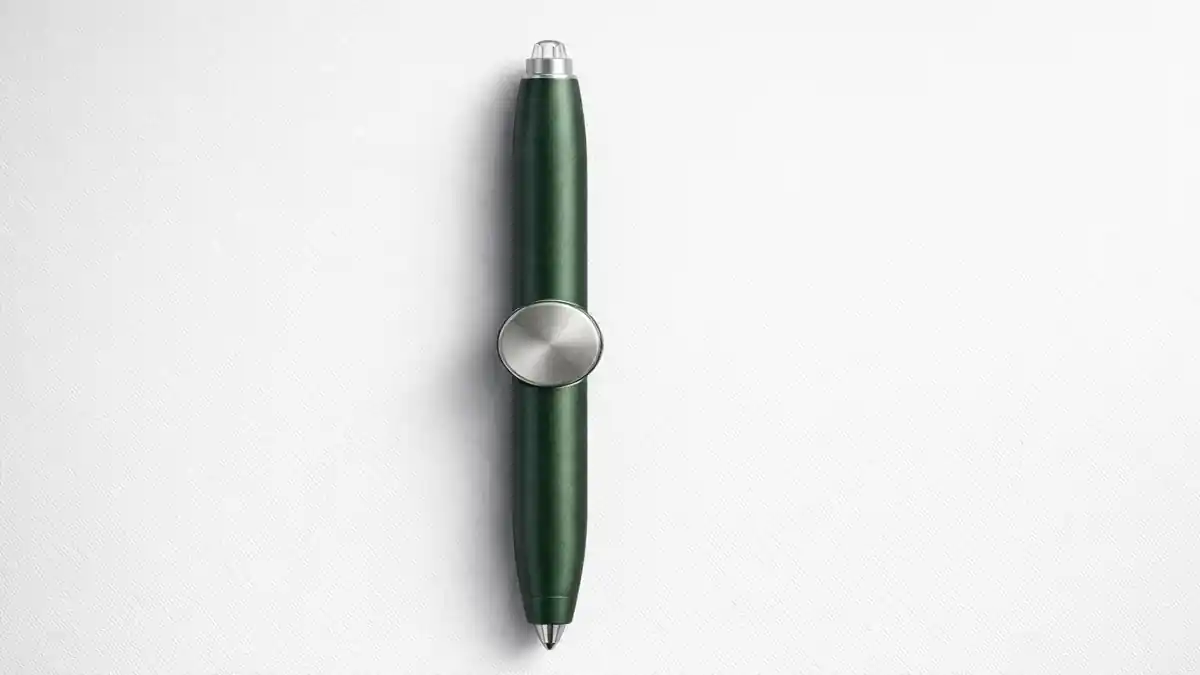
Anxiety doesn’t always show up in loud or dramatic ways. It can start with racing thoughts and hands that won’t stop moving. You could be in a meeting, a lecture, or just lying awake at night. Your body suddenly feels tense, uncomfortable, and unable to relax on its own.
A lot of people notice that they start clicking a pen repeatedly when they are stressed. That small, repetitive action is what anxiety pens are all about. Your body wants to move because it safely releases nervous energy. What are these pens, and can they really help you feel less stressed?
This guide will show you how anxiety pens work and who they help the most.
You will also know what they can’t do and when you need professional help.
What Are Anxiety Pens?
Anxiety pens are special pens that help people deal with their nervous energy.
They look like regular pens, but they have extra features that let you touch or move them. These features encourage controlled, repetitive motion that helps relieve stress.
Most anxiety pens have one or more of these:
- Smooth or quiet clicking mechanisms for moving things around again and again
- Parts of the pen body that can move or spin
- Grips with textures that relax the mind and body
- Balls made of metal that roll around and are meant to be moved with your thumb
- Designs that are a little heavy and put pressure on the ground
Anxiety pens are not meant to get rid of all your stress. Instead, they help with the physical symptoms that come with being anxious. When you feel anxious, your body quickly becomes active and restless. An anxiety pen helps you use that restless energy in a way that is more controlled and focused.
Why Do Our Hands Move When We Feel Anxious?
It helps to know what stress is to understand how anxiety pens work. When you are anxious, your nervous system kicks in the fight-or-flight response. Your heart beats faster, your muscles get tighter, and your breathing gets shallow and rapid. Your body gets ready to protect you, even when there is no real danger. This physical activity creates excessive nervous energy in the body. That energy must go somewhere to calm down.
If you don’t let it go the right way, it could show up as:
- Picking at your skin or biting your nails
- Moving your feet or legs by tapping or bouncing them
- Cracking your knuckles or fidgeting with your fingers
- Constantly moving around in your seat
- Anxiety pens help you channel that nervous energy into structured movements.
Instead of habits that you can’t control, you make purposeful and calming movement. Refocused energy usually remains under control and easier to handle.
How Do Anxiety Pens Help with Anxiety?
Anxiety pens help people control their emotions in several useful ways. They don’t get rid of anxiety disorders, but they can make the symptoms less severe.
They provide physical outlet
Small, repetitive movements help your body relax when it feels tense. Clicking or twisting a pen makes it move in a steady and predictable way. When things are stressful, knowing what will happen next can help you feel in control. This is especially helpful in places where bigger coping tools don’t seem right. You could, for instance, use an anxiety pen during meetings or presentations.
They act as a grounding tool
Grounding techniques help you stop thinking about things that are getting out of control.
Your brain changes what you arere paying attention to when you focus on the pen’s texture or movement. You don’t think about fear; you think about how your body feels. This small change stops anxious thoughts from getting worse before they do. Touching the ground has been a common part of stress management techniques.
They May Support Focus and Concentration
Some people have found that mild fidgeting helps them stay focused.
Small movements of the body can help control too much stimulation of the nervous system.
This could help people with ADHD or anxiety stay focused on their tasks.
Anxiety pens let you move around without bothering the people around you.
Different Types of Anxiety Pens
Not all these pens feel the same after you’ve used them a lot. It depends on how you want to feel which one you choose.
Clicker Anxiety Pens
These pens have smooth clicking mechanisms, so you can move them around as many times as you want. Some models are made to be quieter in quiet places.
Spinner Anxiety Pens
These are for people who are afraid of spinners. Some parts of spinner pens spin around the centre. people who like moving in a rhythm might find it calming to move in circles.
Textured Grip Anxiety Pens
These pens have raised patterns, rubber grips, or bumps on them. Textured surfaces give your hands something to touch, which helps you stay grounded.
Weighted Anxiety Pens
Pens and pencils that are weighted feel heavier than regular ones. You might feel better with the extra pressure. You can find the style that works best for you by trying out a few different ones How comfortable you are often depends on what feels good to you. Sometimes comfort depends on personal sensory preference.
Who Can Benefit from Anxiety Pens?
A lot of people might find anxiety pens helpful. They are especially helpful in high-stress situations where you need to stay still. Anxiety pens might help students during tests or lectures. People who work in offices might use them during stressful meetings or presentations. People who are socially anxious may feel better having something small to hold.
People who are only mildly stressed may use them while doing everyday tasks. They are very useful when bigger coping tools aren’t possible. But anxiety pens work best for people who are only a little bit stressed. They are not made to treat severe panic disorders on their own. Tools can help with healing, but they don’t often replace deeper solutions.
Five Practical Ways to Use Anxiety Pens Effectively
Just having an anxiety pen doesn’t mean you’ll see results right away. Using it on purpose can make it much more calming.
Pair the Pen with Controlled Breathing
While you practice slow breathing exercises, hold the pen. Breathe in slowly for 3-4 seconds, then breathe out slowly for 5-6 seconds. Moving and controlling your breath at the same time helps your nervous system relax.
Use It Before Anxiety Peaks
Don’t wait until you feel completely out of control. Use the pen when you start to feel tense or uncomfortable. Early intervention stops stress from getting worse for no reason.
Always Keep It Accessible
Put the pen in your pocket, bag, or desk drawer. Quick access makes it more likely that people will use it regularly.
Observe What Feels Most Calming
Notice which movement makes you feel the best. Some people like smooth clicking, while others like rough clicking.
Combine With Other Coping Strategies
Anxiety pens work best when used with other ways to deal with stress. Think about writing in a journal, doing mindfulness exercises, or doing some light stretching. Balance always creates long lasting and strong calm.
Common Mistakes to Avoid
People can misuse or misunderstand even helpful tools. It’s not realistic to think that anxiety pens will make stress go away completely. They are not drugs; they are tools for managing symptoms. Using loud pens in quiet places could make social situations more stressful. Choosing designs that aren’t too loud can make shared spaces more pleasant.
If you don’t pay attention to deeper patterns of anxiety, it could take longer to get the help you need. People who have been anxious for a long time often need therapy or a set plan for treatment. There are times when it is important and necessary to get help from a professional.
When to Seek Professional Help
Anxiety pens can help people deal with mild stress well. You must visit a licenced professional for some complicated symptoms. If you have panic attacks often, you might want to get help. Worrying all the time that gets in the way of daily life is a problem. Not doing normal things because of tension is a sign of deeper problems.
You shouldn’t ignore sleep problems that are caused by anxiety. If you have physical symptoms like chest pain or dizziness, you should see a doctor. Mindfulness-based therapies and cognitive behavioural therapies work well as treatments.
In some cases, professionals may also suggest taking medicine. The World Health Organization and other groups give out educational materials to help people learn more about mental health. Source: https://www.who.int/news-room/fact-sheets/detail/anxiety-disorders . It’s a sign of strength to be able to help others not weakness.
FAQs about Anxiety Pens
Do stress pens really help with anxiety?
They can help with mild stress by making you move slowly and calmly. The results depend on the person and how anxious they are.
Are anxiety pens and fidget pen the same?
Sometimes people call them grounding devices or fidget tools. Anxiety pens are different because they look like typical pens and are easy to put in bag. You can use them in class or at meetings without anyone noticing. Our body often needs some movement to release stress safely, so these pens fulfill this purpose.
Do anxiety pens really help people who have panic attacks?
They might help with the early signs of panic, but they usually do not stop bad episodes or advance stage by themselves.
Are anxiety pens safe for kids and teens to use?
Most models are safe because they do not contain any chemical and they do not change the brain chemistry. But it is advised that adults should watch younger kids play with them.
Should anxiety pens be used instead of therapy or medical care?
People who have been told they have anxiety disorders should not use these instead of going to therapy.
Conclusion: Are Anxiety Pens Worth Trying?
What do anxiety pens really do?
They are small, private tools that help you safely get rid of nervous energy. They help people who cannot sit still move in a calm and controlled way. They won’t completely get rid of stress disorders. But they can help you feel better in small ways when things are hard. They might help with tension that is not too bad or that only happens in certain situations.
You need to see a professional if your anxiety is too much for you to handle or won’t go away. When used together, small tools and structured treatment often work better. This article is only for informational purposes and should not be used in place of medical advice from a doctor.