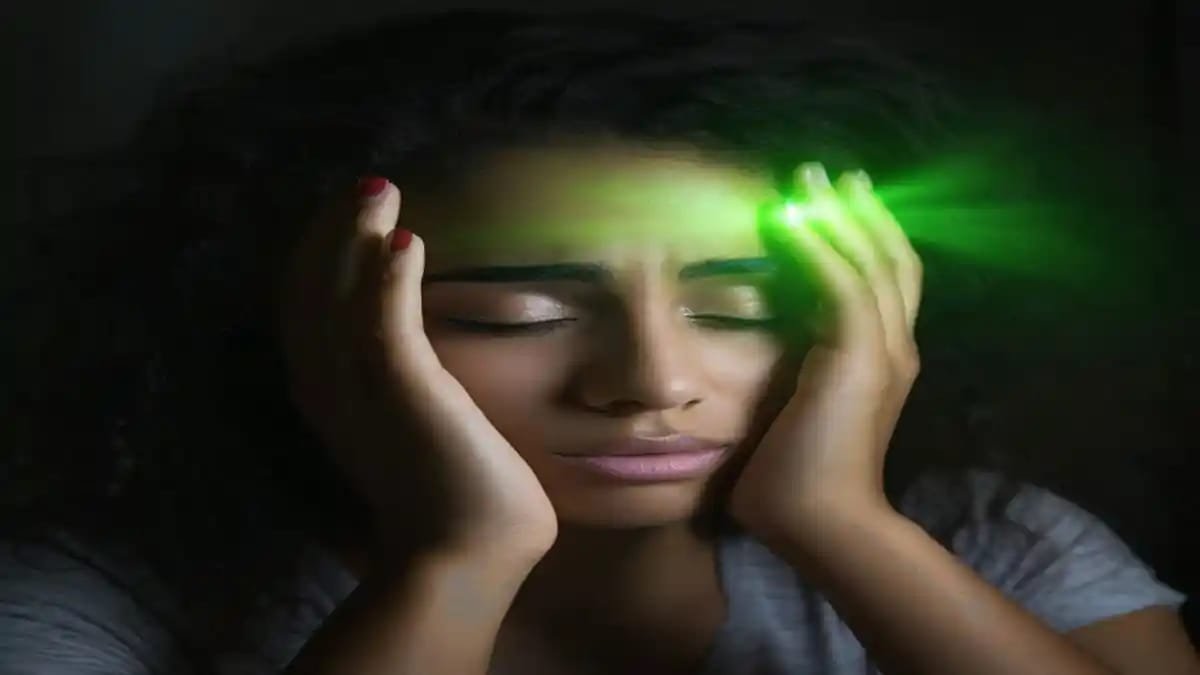
You’re not making it up if you’ve ever felt a flutter in your chest or a wave of unease when you walked into a room with bright fluorescent lights. What is it about fluorescent lights that causes anxiety in people? Many people don’t like being in places with bright fluorescent lights. It can be frightening or hard to understand. The good news is that you’re not the only one who feels this way, and there are real things you can do to make those places feel safer and calmer.
This article will tell you how fluorescent lights affect our bodies and minds, why some people feel anxiety as a result, and how to reduce the effects. You can make small changes at home or at the job, understand practical, reliable ways to deal with your feelings, and get advice on when to get professional help. In a normal way, we’ll also answer frequently asked questions about how light impacts your mood, nervousness, and other factors as well.
How Bright Fluorescent Light Affects the Body
Some people find fluorescent lights to be too bright and harsh. Even if you can’t see it easily, the light can flicker a little, and that flicker can send signals to your nervous system that make you feel uneasy. Your brain may become more alert or feel like something is wrong when your eyes see quick changes in light. It’s normal to feel that way in small amounts, but in some situations, it gets too much and makes anxiety worse.
- Flicker and glare: New lights can flicker a little, and glare from shiny surfaces can make things feel sharp. That sharp feeling can bring out stress that you didn’t know you had.
- Too much sensory input: A room with a lot of different light sources can be too much for your senses. Your brain has to process a lot of signals, which can make you anxious to protect yourself.
- Sleep problems: Fluorescent light usually has a cooler, blue shade that can throw off your body clock, especially at night. Not getting enough sleep makes you more anxious and irritable during the day. Source: https://www.who.int/news-room/fact-sheets/detail/light-exposure-and-health
Simple, everyday things you can do to feel less anxious about fluorescent lights. If you work or study in places with fluorescent lights, small, steady changes can make a big difference. Try a mix of changes to your environment, choices you make, and calming activities that fit into your daily life.
Practical Changes to Lower Sensory Stress
Here are some easy practical changes to lower sensory stress :
Create a calmer visual setup
- Soften the light: Use lamps with warm bulbs or tints that make the light a little softer. If you don’t want to use the overhead lights, a small table lamp can be a nice option.
- To cut down on glare: place screens and papers so that they don’t reflect off windows or other shiny surfaces. Think about getting anti-glare screens for your computer or tablet.
- Use natural light wisely: If you have windows, take breaks during the day, but don’t let the sunshine shine too brightly on you by using blinds or curtains. A light pattern that is soft and steady is easier on the eyes.
Control the sensory load
- Choose times and places: If you can, do difficult tasks in places that feel calmer or more secure to reduce pressure on your eyes and mind.
- Take short breaks: Short breaks are necessary to reset the nervous system. Stand up and stretch for 1-2 minutes to relax your body. Take a deep breath and drink a glass of water.
- Add calming textures: A soft chair, a comfy rug, or a cosy corner can give you a soothing and relaxing effect when you’re stressed.
Personal coping strategies for bright rooms
- Grounding exercises: Take deep breaths, start counting to ten, or push both feet into the ground to stay in the present.
- Small things that feel secure. It is better to use a light shawl, a small handy toy, or anything that makes you safer and more secure.
- Gentle movement: A short walk by the door or some simple stretches can help your entire body avoid responding to stress.
When the fluorescent lights make you feel nervous
Some people react much more strongly when they are in bright places. Your nervous system is just processing sensory information in a particular manner. You aren’t weak or overreacting because of this. If you suddenly feel extremely anxious, have a tightness in your chest, feel faint, or feel like you’re losing grip on bright environments, you need help and a strategy.
Steps to take if anxiety spikes in bright rooms
- Get grounded physically: Press your feet on the floor, name the three objects you can see, two objects that you can touch, and one thing you can hear. It makes you feel more in touch with the present.
- Have a calm-down kit: A mini kit with a stress ball, refreshing mist, or a calming scent can help you feel better quickly. You can also use an anxiety pen to reduce the pressure on mind. For more information read What Are Anxiety Pens? How They Effectively Reduce Stress
- Tell people what you need: If you can, talk to your boss, teacher, or coworker about things like quieter places or brighter lights for certain tasks.
Light sensitivity, or photophobia, is more than just eye irritation. Here are some signs to look out for. After being in the light, you might get headaches, tiredness, mood swings, or eye strain. It’s a good idea to talk to a doctor if you have these symptoms often to find out what’s causing them.
Simple practical tips to reduce exposure
- Choose warmer lighting for a cozy and comfortable effect on the body. Instead of “bright light,” look for bulbs that are softer and a warmer white
- Combine lighting sources: To make a cozy glow, use both overhead lights and table lamps that you can control.
- Be careful with screens: In the evening, use blue light filters to help you sleep and keep the brightness of your screens at a comfortable level. You can also use blue glasses for eyesight to help reduce damage from the screens to your eyes.
When to seek professional help
If fluorescent lights or bright lights make you feel nervous or anxious all the time, or make you avoid places because you’re scared, you should talk to a professional. You deserve help and tools that work for you.
- A doctor can teach you how to deal with your problems in a way that works for you.
- A therapist can look into whether anxiety or photosensitivity is linked to other problems, such as stress, trouble sleeping, or depression.
- A doctor can look for health problems that could be making you sensitive to light, giving you headaches, or making you tired.
FAQ Section
Why do fluorescent lights make me feel weird?
The brightness, flashes, and glare can cause eye irritation and make you feel more conscious and nervous. For some people, it’s an honest and usual reaction.
Are fluorescent lights bad for your mental health?
Fluorescent lights aren’t bad for every individual, but for some people, the way they affect their senses can make anxiety or mood swings worse. It can help to make small changes to the lighting and the environment.
Fluorescent light sensitivity symptoms
Symptoms can include eye strain, headaches, tiredness, dizziness, irritability, and overwhelmed after becoming exposed to light.
Can fluorescent lights cause panic attacks?
Yes, for some people. Heavy sensory input can make you feel like you’re in a panic. If this happens, look for grounding techniques and help from someone you trust. If it continues to occur, talk to a trained expert.
Why does fluorescent lighting make me anxious?
The way your eyes and brain handle the light that changes quickly can increase arousal. If you’re already worried or not getting enough sleep, this may feel like stress.
What about light in schools?
Some students have trouble with bright lights. Schools should provide quiet areas to rest, natural light, and corners that aren’t too bright.
Can LED lights help with anxiety?
LED lights can be more calming because they don’t flicker as much and have a wider variety of warm-to-cool colours. It might be less stressful on the eyes to choose more warm LEDs and adjust the level of brightness.
Conclusion
Some people get anxious when they are around bright fluorescent lights, but you don’t have to keep quiet about it. Make small changes to your environment, create easy routines, and go for calming activities that work for you. If pressure from lighting makes it hard for you to work, study, or go about your daily life, don’t be afraid to ask a doctor for help. You deserve a space that is more peaceful and comfortable.
This article is for information only and should not be used instead of professional medical advice.