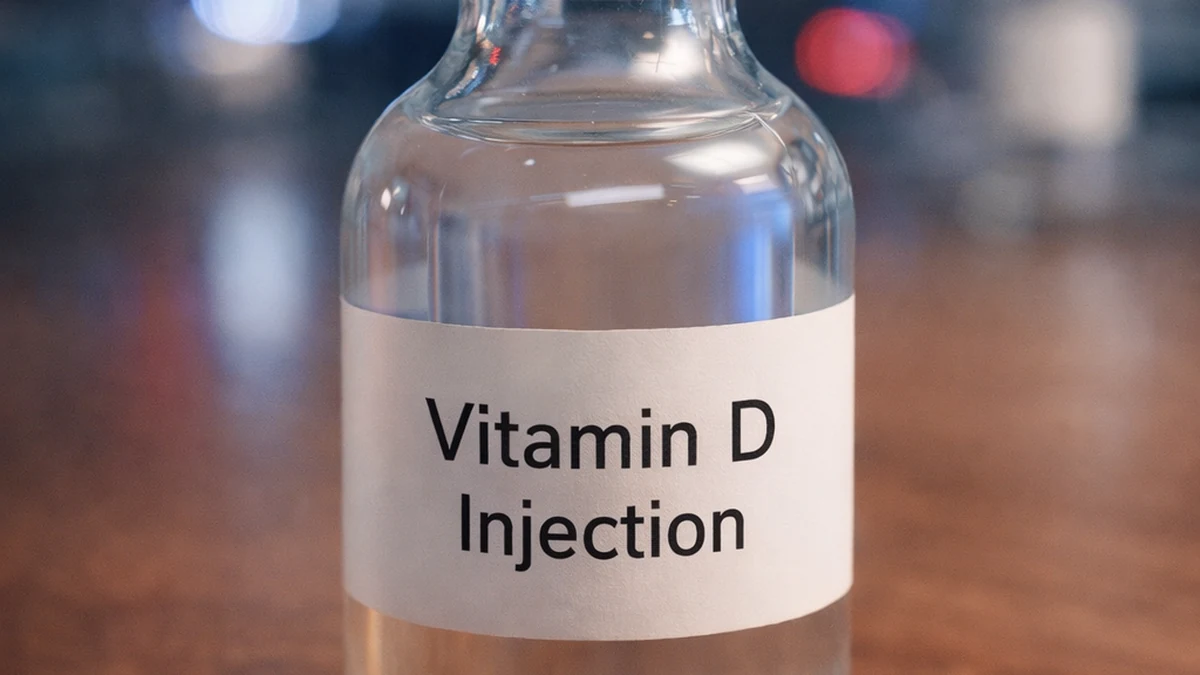
In the US, vitamin D injections have undoubtedly emerged as one of the most talked-about wellness treatments. They are available in modern med spas, slick clinics, and even some general care offices. Someone has likely recommended vitamin D injections if you’ve been feeling lethargic, unmotivated, or just unwell lately.
Since we get very little natural sunshine in modern life, I can understand the appeal. We get up early, spend hours indoors, and scroll at night rather than going for a stroll. Many Americans have low vitamin D levels because of that routine, without even realizing it.
Let’s examine the true function of vitamin D injections before scheduling an appointment.
What Are Vitamin D Injections?
High-dose injections of vitamin D are administered straight into muscle tissue. Vitamin D injections enter the bloodstream more directly and bypass digestion, in contrast to capsules. For those with confirmed vitamin D deficiency levels, doctors usually advise vitamin D injections.
The National Institutes of Health states that vitamin D promotes immunological equilibrium and bone strength. Their guidelines are available here: https://ods.od.nih.gov/factsheets/VitaminD-Consumer/. Despite popular marketing rhetoric, vitamin D injections are not miracle energy shots. These medical procedures are intended to raise low blood levels safely.
Is It Good to Inject Vitamin D?
This query frequently comes up in online wellness discussions and forums. Your medical history and lab findings will determine the truthful response.
Vitamin D injections can be effective quickly if your blood test results indicate a significant deficit. In many instances, they increase levels more quickly than oral supplements. These are helpful for those who have symptoms like bone pain or fatigue.
However, daily medication and exposure to sunshine can often improve modest deficiencies. It’s never a good idea to inject vitamin D without first testing.
A qualified medical professional should check your levels before suggesting vitamin D injections.
Benefits of Vitamin D Injection
Without going overboard, let’s discuss the advantages of vitamin D injections. Injections of vitamin D promote bone health by enhancing the body’s absorption of calcium. During the winter months, when sunshine naturally decreases, they can boost the immune system. Following the correction of severe deficiency levels, some people report feeling happier.
Possible vitamin D injection benefits include:
- Increased bone density over time
- Decreased weakness in the muscles
- Increased resistance to the immune system
- Faster correction of severe deficiencies
Only when levels were low before therapy do these advantages materialize. Injections of vitamin D do not give healthy people superhuman energy.
Vitamin D Injection Side Effects
Vitamin D injections have the same possible drawbacks as any other medication. When given properly, these injections are generally well tolerated by most people.
Typical adverse effects of these injections include:
- Little discomfort at the injection site
- Short-term exhaustion
- A headache or a little nausea
Elevated calcium levels are an uncommon but dangerous side effect of vitamin D injections. An irregular pulse, kidney strain, or confusion might result from too much calcium.
The following is a clear explanation of vitamin D safety provided by the Mayo Clinic: https://www.mayoclinic.org/drugs-supplements-vitamin-d/art-20363792. After getting vitamin D injections, let your doctor know about any symptoms you have.
Frequently Asked Questions
Some frequently asked questions are:
What Is the Duration of a Vitamin D Injection?
Many individuals believe that everything can be fixed forever with a single injection. In actuality, the average duration of vitamin D injections is 4 to 8 weeks.
How long do vitamin D injections last?
It depends on your metabolism, body weight, and lifestyle. In order to monitor updated levels, doctors frequently conduct follow-up blood work. Depending on their needs, some individuals receive quarterly injections of vitamin D.
Can Diarrhea Occur When Taking Vitamin D?
Yes, some people may experience diarrhea as a result of consuming too much vitamin. It usually occurs when excessive supplementation causes blood levels to increase too high. This problem is rarely caused by properly provided vitamin D doses.
However, following these injections, any new digestive complaints should be treated by a doctor.
Vitamin D Injections Cost in the United States
The cost of vitamin D injections varies according to the dosage and clinic location. These injections range in price from $30 to $110 per shot in the majority of American cities.
Injections of vitamin D may be covered by insurance if they are recommended for a medical condition. Because treatments include consulting and facility costs, med spas may charge higher prices.
Here is a simple breakdown:
| Service Type | Average Vit. D Injections Cost |
|---|---|
| Primary Care Office | $30 – $50 |
| Specialist Clinic | $55 – $85 |
| Wellness Spa | $60 – $125 |
Region and provider experience have an impact on prices.
Vitamin D Injections vs Oral Supplements
| Factor | Vitamin D Injections | Oral Supplements |
|---|---|---|
| Absorption Speed | Faster | Slower |
| Convenience | Requires appointment | Easy at home |
| Cost | Higher upfront | Lower overall |
| Monitoring | Doctor supervised | Self-managed mostly |
Injectable vitamin D is appropriate for people who require quick repair. For modest deficiencies and progressive maintenance, oral supplements are effective.
Who Should Consider Vitamin D Injections?
Physicians may recommend vitamin D injections to patients who have:
- Lab tests confirm a severe deficit.
- Absorption-affecting digestive disorders
- History of bariatric surgery
- Chronic kidney diseases
Start with blood work initially if you’re feeling exhausted without any tests.
Personal Experience on Trends in Wellness
Once, feeling worn out from a long winter, I thought about getting vitamin D injections. I asked for a basic blood test rather than guessing. My levels were not dangerously low, but they were moderately low.
My energy progressively increased thanks to daily vitamins and morning sunlight. I learned from that experience that while trends can seem urgent, testing can provide clarity.
Injections of vitamin D are effective treatment, not trendy shortcuts.
Lifestyle Advice for Natural Vitamin D Support
Lifestyle choices are still important, even if you decide to have vitamin D injections.
You can improve vitamin D levels by:
- Safely spending brief lunchtime hours outside.
- Weekly consumption of fatty fish, such as salmon
- Selecting plant-based or fortified dairy substitutes
- Keeping a balanced diet
Beyond taking these injections, these behaviours promote long-term health.
Conclusion
Injections of vitamin D, when administered properly and sensibly, can improve health. They are neither lifestyle accessories for social media trends nor miracle treatments.
Before thinking about these injections, arrange testing if you suspect a deficit. A well-informed strategy safeguards both your financial and physical well-being.
When style and science are carefully combined, wellness looks its best. Find out if your body actually needs these injections before scheduling one.
Read our articles here https://healthinnovate.org/ for additional trend-based health insights.
If this article clarified your understanding about vitamin D injections, please forward it to someone who is interested in contemporary health trends.